Step-By-Step Guide To Selling Your La Habra Home
June 11, 2026
June 11, 2026
Thinking about selling your La Habra home? In a market where homes are selling in about 37 days and often getting multiple offers, the right plan can make a real difference from day one. If you want a smoother sale, stronger pricing, and fewer surprises, it helps to know what happens before your home hits the market, not just after. Here is a simple step-by-step guide so you know what to expect and how to prepare. Let’s dive in.
Before you make repairs, schedule photos, or think about open houses, start with the market. La Habra is currently a very competitive market, with a median sale price of $854,559 over the three months ending April 2026. Homes are receiving about five offers on average and selling in around 37 days.
That matters because your pricing and launch strategy need to be strong right away. In a market like this, the first week can shape the entire sale. If your home is priced well and presented clearly, you may create early momentum and attract serious buyers faster.
Your first step is choosing the right professional to guide the sale. In California, real estate brokers and salespersons are licensed through the Department of Real Estate, and license information is publicly available through the state.
A good listing agent helps you do more than put a sign in the yard. You want someone who can help with pricing, preparation, marketing, disclosures, negotiations, and the escrow process from start to finish. In a competitive La Habra market, that guidance can help you move with more confidence.
Pricing is one of the most important decisions you will make. It affects how many buyers tour your home, how quickly offers come in, and whether you create competition or sit on the market.
In La Habra, where homes are moving in about 37 days and drawing multiple offers, pricing should reflect current local conditions, your home’s condition, and nearby competition. The goal is not just to aim high. The goal is to price in a way that supports strong interest and a better final outcome.
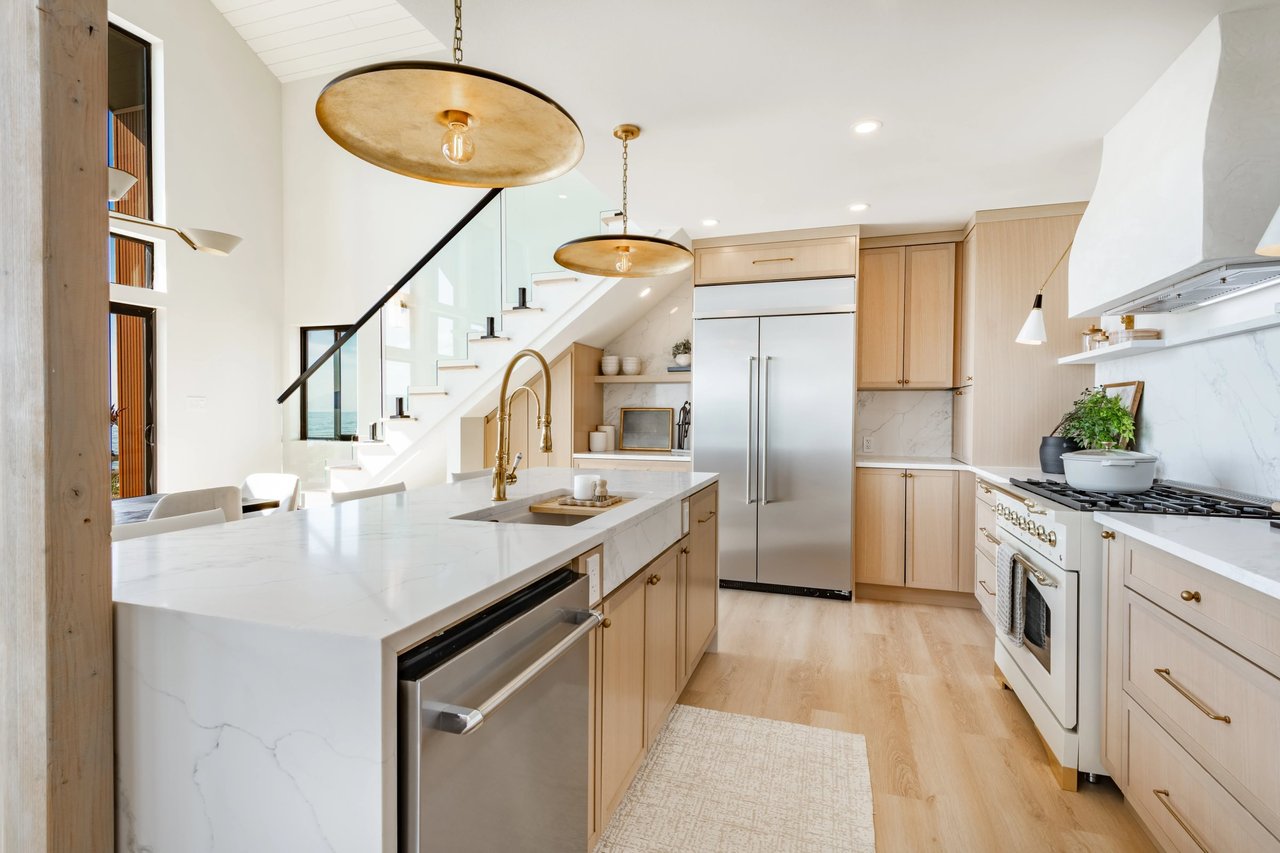
Once pricing is underway, focus on presentation. Common pre-listing tasks include repairs, cleaning, decluttering, and staging. These steps help buyers understand the home more easily and can improve how the property shows both online and in person.
That online first impression matters. In the 2025 staging profile, 49% of sellers’ agents said staging reduced time on market, and 29% said it increased the dollar value offered by 1% to 10%. Buyers often decide whether to schedule a tour based on listing photos, so preparing the home before photography can pay off.
Selling in California is not only about making the home look its best. It is also about timely and accurate disclosures. A polished sale starts with paperwork as much as presentation.
For many single-family residential sales, the seller must provide a Transfer Disclosure Statement, or TDS, as soon as practicable before transfer of title, or before contract execution in contract-based sales. If a required disclosure or material amendment is delivered after an offer is signed, the buyer generally has a limited right to terminate based on the delivery method.
It is also important to know that selling a home "as is" does not remove your disclosure duties. California law makes clear that required disclosures and existing duties to disclose material facts still apply. In other words, accurate condition reporting remains part of the process.
If your property is part of an HOA, California law requires delivery of governing documents, current association documents, assessment information, unresolved violation notices, and certain other records before transfer or contract execution. Gathering these early can help prevent delays later.
When your home is ready, your agent typically coordinates professional photos, MLS exposure, showing instructions, and possibly open houses. In a market like La Habra, where homes are receiving multiple offers on average, a strong launch matters.
Your marketing should focus on facts buyers can verify. That includes the property’s layout, condition, updates, parking, lot use, HOA rules if applicable, and any material disclosures that affect desirability. Clear, factual presentation helps buyers make decisions and supports smoother negotiations.
An open house is a strategy choice, not a requirement. What is clear from the available data is that online presentation is important because it can influence whether buyers choose to visit the property.
That means your photos, property details, and overall presentation should be ready before the listing goes live. Whether buyers come through private showings, an open house, or both, the first impression often starts online.
When offers arrive, it is tempting to focus only on the highest number. But the strongest offer is not always the one with the highest price. In a competitive market, sellers often need to look at the full picture.
You may need to compare financing strength, contingencies, appraisal risk, requested repairs or credits, and the proposed closing timeline. A slightly lower offer with fewer risks may leave you in a better position than a higher offer that is more likely to fall apart.
This step is where a clear pricing strategy and strong negotiation support can make a major difference. Your final net proceeds depend on more than the headline price.
After you accept an offer, the transaction usually moves into escrow. In California, escrow is a neutral process that handles funds and documents. Independent escrow companies and title insurance companies commonly perform escrow services.
The escrow holder typically prepares the deed, prorates taxes and insurance, records documents, and disburses funds once the instructions are satisfied. In Southern California, title and escrow are often separate, and the seller customarily pays the owner’s title policy, although fee splits can be negotiated.
As you review offers, remember to think about your net proceeds, not just the sale price. Orange County sellers may owe a documentary transfer tax of $0.55 per $500 of net consideration above $100. Recording charges are separate and listed by the county fee schedule.
These costs are part of the final numbers and should be discussed early in the process. A strong estimate helps you compare offers more accurately and avoid surprises near closing.
The sale is typically finalized from a title standpoint when the transfer documents are recorded with the county recorder. Before you fully move on, confirm that the deed and closing documents were recorded.
It is also smart to keep your signed disclosure package and closing statement for your records. That simple step can help you stay organized after the sale is complete.
If you want the process in one quick view, here is the path most sellers follow:
Selling your La Habra home does not have to feel overwhelming. With a clear plan, accurate disclosures, thoughtful preparation, and a strong pricing strategy, you can move through the process with fewer surprises and better decision-making at each step.
If you are thinking about selling and want a local, data-driven plan tailored to your property, reach out to Evelyn Calas for a free home valuation and personalized market plan.
Stay up to date on the latest real estate trends.





I am committed to guiding you every step of the way—whether you're buying a home, selling a property, or securing a mortgage. Whatever your needs, I've got you covered.